
Top Destinations for Every Traveller
Australia is enormous — Sydney to Perth covers roughly the same distance as London to Moscow — so “where should I go” doesn’t really have one answer. It depends on who’s asking.
A solo traveller wants something different from a couple chasing a beach escape, and a group of friends after nightlife wants something different again from someone who’s already done the standard trip and wants to get further off the map. Australia can cover all of that. Below are five destinations that show up on nearly every itinerary — Sydney, Melbourne, the Gold Coast, Cairns, and Uluru — along with who each one actually suits.
SYDNEY – the easiest place to start
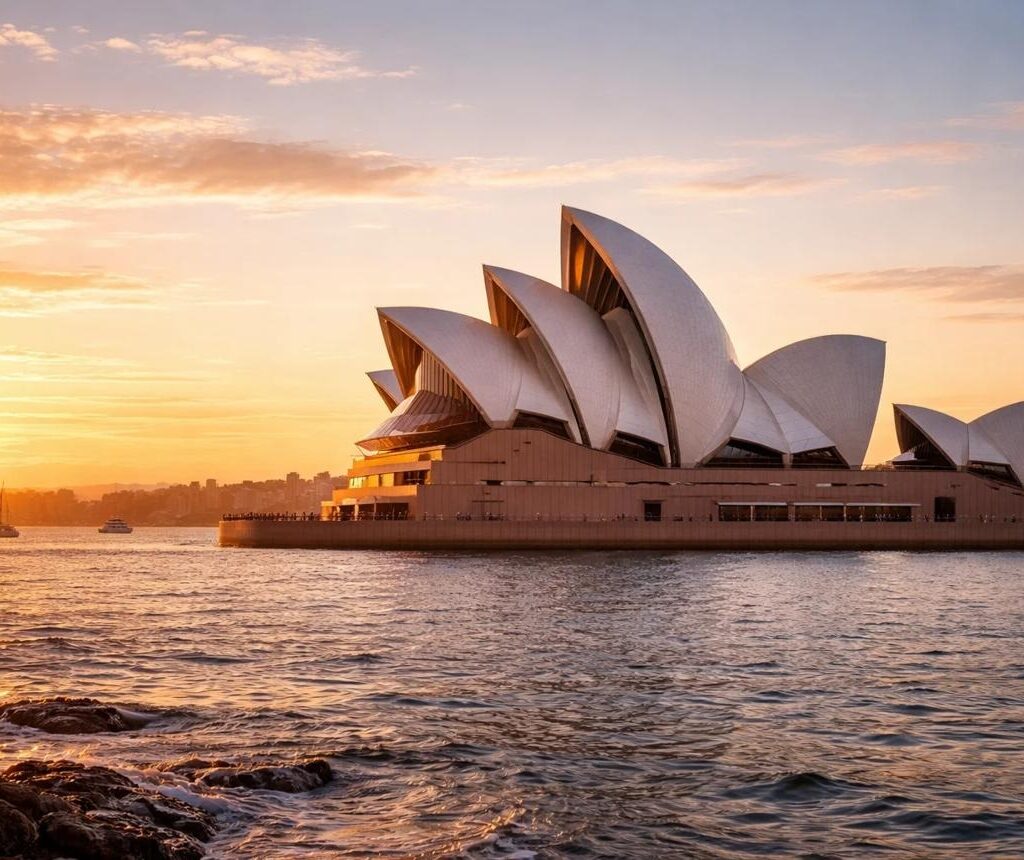
Most first-time visitors land in Sydney, and it’s a reasonable place to begin: it packs beach life, city energy, and nature into a city you can walk across.
The Sydney Opera House and Harbour Bridge hold up in person — sit by the harbour with a coffee for five minutes and you’ll get why they’re photographed so often. Bondi Beach is less a beach and more a lifestyle: surfers at sunrise, brunch spots spilling onto the sand, and the Bondi to Coogee coastal walk, which runs past cliffs, hidden coves, and ocean pools that look almost fake.
When you want a break from the sun, the Royal Botanic Garden gives you green space with skyline views, and Darling Harbour is good for evenings — waterfront restaurants, light shows, a nightlife scene that picks up once it’s dark. With extra days, Sydney also works well as a base for day trips: the Blue Mountains for hiking and viewpoints, the Hunter Valley if wine is your thing.
Sydney’s real strength is that it covers beaches, food, culture, and nightlife without forcing you to travel far between them, which is exactly why it’s usually the first stop on an Australia trip.
Best for: first-time visitors, solo travellers, couples, friends.
MELBOURNE – food, art, and a slower pace
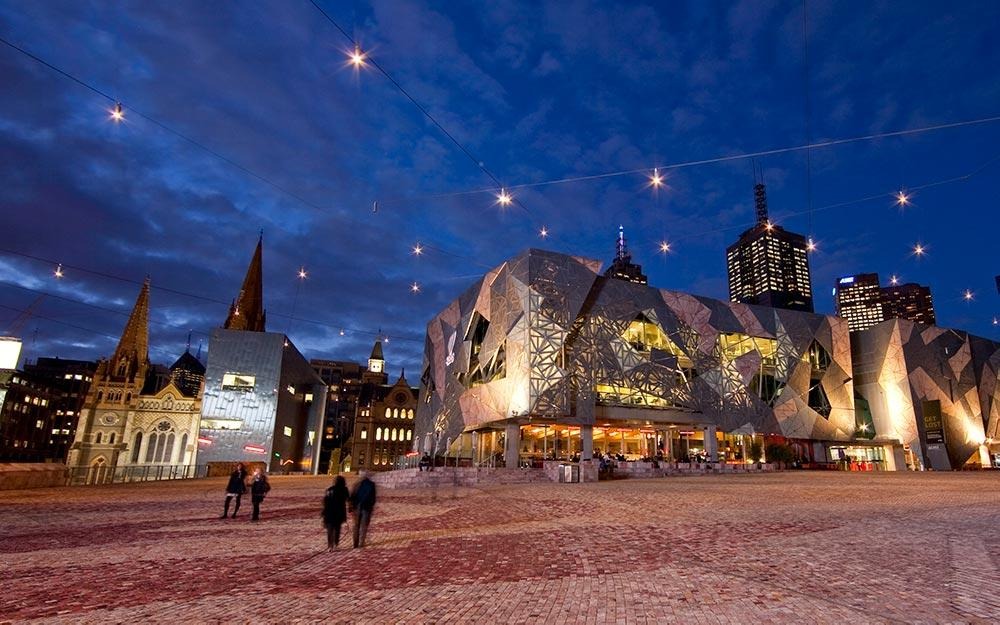
If Sydney is the showpiece, Melbourne is the city for people who’d rather track down a good flat white than tick off landmarks. Melbourne’s café culture is arguably the country’s best — locals take coffee seriously, and you’ll notice it the moment you walk into a laneway café.
The laneways themselves are worth wandering for the street art alone. Hosier Lane and the streets around it are constantly repainted, so what you see one week won’t be there the next. Federation Square covers events and culture, and the Queen Victoria Market is a good place to try traditional Australian food alongside fresh produce stalls.
If you have a free day, the Great Ocean Road is an easy drive from Melbourne — dramatic coastline, the Twelve Apostles, small towns worth stopping in. Melbourne also takes its sport seriously (catch an AFL match if the dates line up), and the shopping and nightlife give you reason to stay out once the sun’s down.
Melbourne runs on atmosphere more than big attractions — coffee, art, music, food — which is why it tends to be a favourite with younger travellers and anyone who wants a trip that feels lived-in rather than touristy.
Best for: young travellers, couples, foodies, photographers, friends.
GOLD COAST – beaches and adrenaline
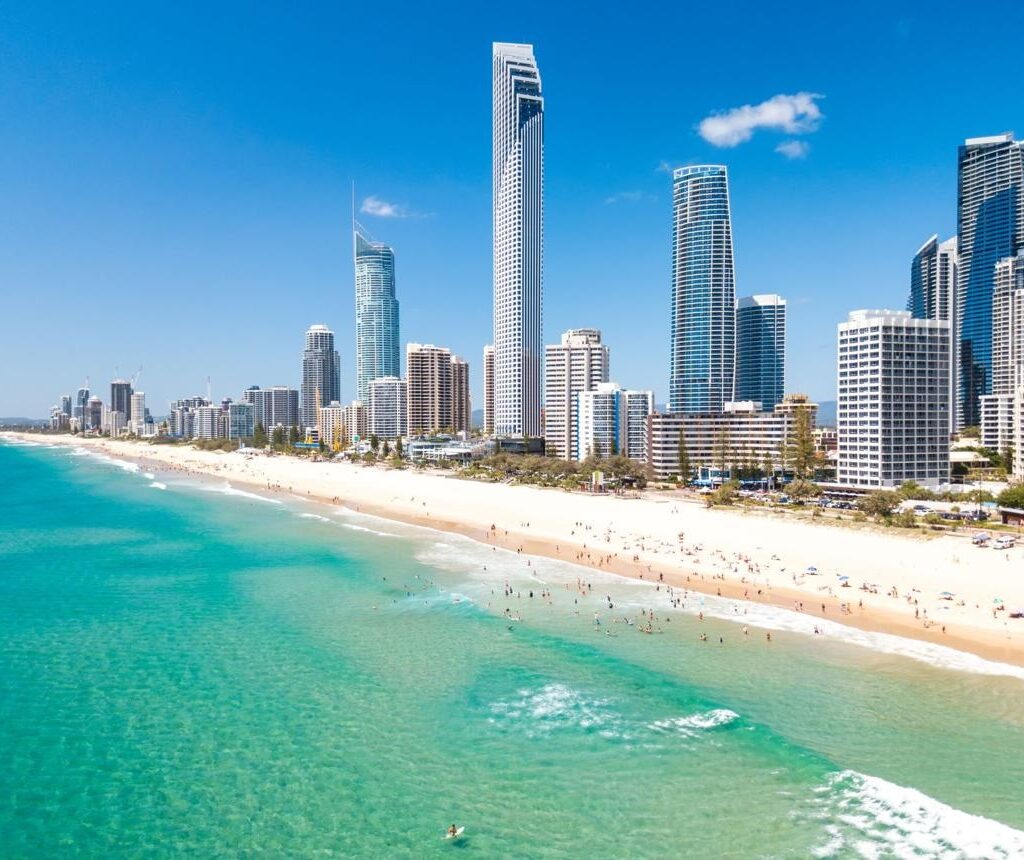
If your ideal trip mixes beach days with something faster-paced, the Gold Coast delivers. Surfers Paradise, with its high-rise skyline right on the sand, is the centre of it.
The beaches are built for surfing, whether you’re booking your first lesson or already comfortable in the water. Burleigh Heads, a bit further along, has good surf and a more local, laid-back feel, plus a coastal walk of its own. Inland, Tamborine Mountain offers rainforest walks, waterfalls, and cooler air — a decent contrast to the coast. Groups after an adrenaline hit will find the theme parks hard to beat, alongside jet skiing and paddleboarding.
At night the nightlife is what you’d expect from a beach town built for tourism: loud, social, easy to fall into.
The Gold Coast is built for variety — beach in the morning, rollercoaster in the afternoon, out dancing by night — which is exactly why groups tend to love it.
Best for: friends, young travellers, adventure seekers, families.
Cairns and The Great Barrier Reef
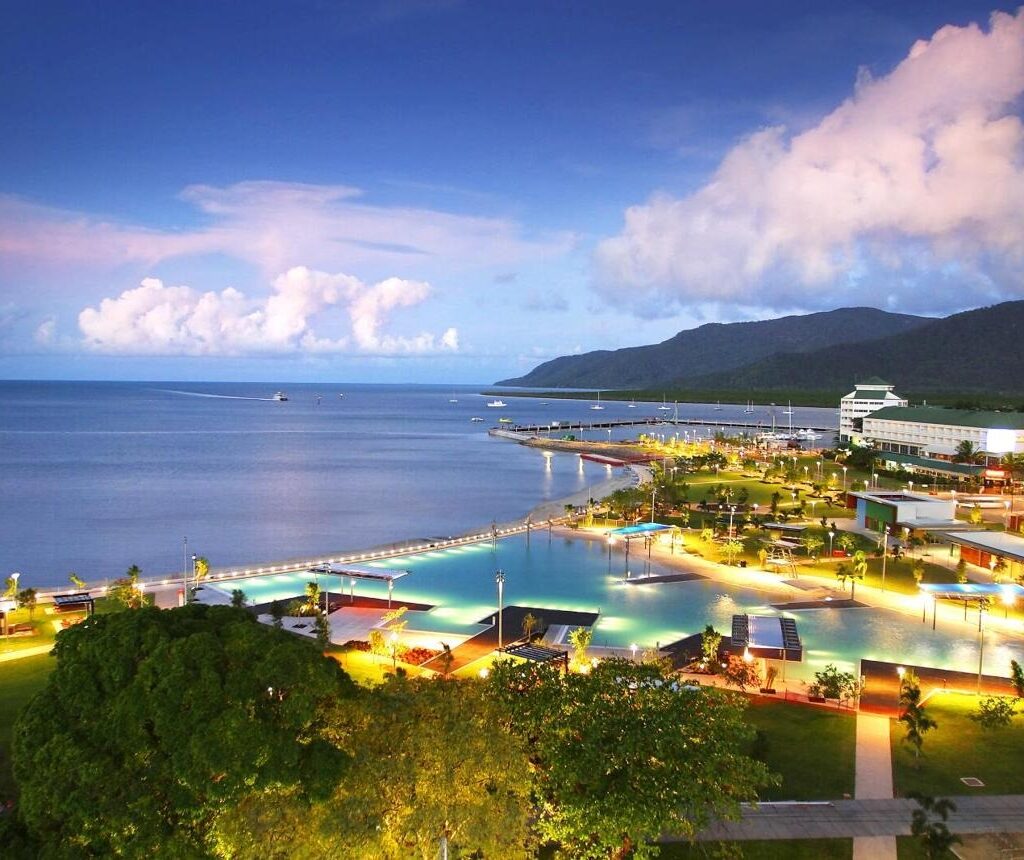
This is bucket-list territory. Cairns is the gateway to the Great Barrier Reef, one of the world’s best-known natural landmarks and reason enough on its own to visit.
Experienced diver or first-time snorkeller, the reef delivers — coral, sea turtles, marine life you won’t find elsewhere. Most tours are set up for beginners, so inexperience isn’t really a barrier.
There’s more to Cairns than the water, though. The Daintree Rainforest, one of the oldest on Earth, sits right on the doorstep, and a trip up to Kuranda (take the scenic railway one way, the cableway the other) runs through rainforest canopy with strong views along the route. Add wildlife encounters — crocodiles, cassowaries, native parks — and tropical beaches to wind down on afterward, and Cairns keeps turning up things you didn’t expect.
Few places let you cover ancient rainforest and a world-famous reef in the same day, which is what pulls more adventurous, experienced travellers here.
Best for: adventure seekers, experienced travellers, couples, solo travellers, nature lovers.
ULURU – the outback
Sydney, Melbourne, the Gold Coast, and Cairns cover Australia’s coast and cities. Uluru is a different country entirely.
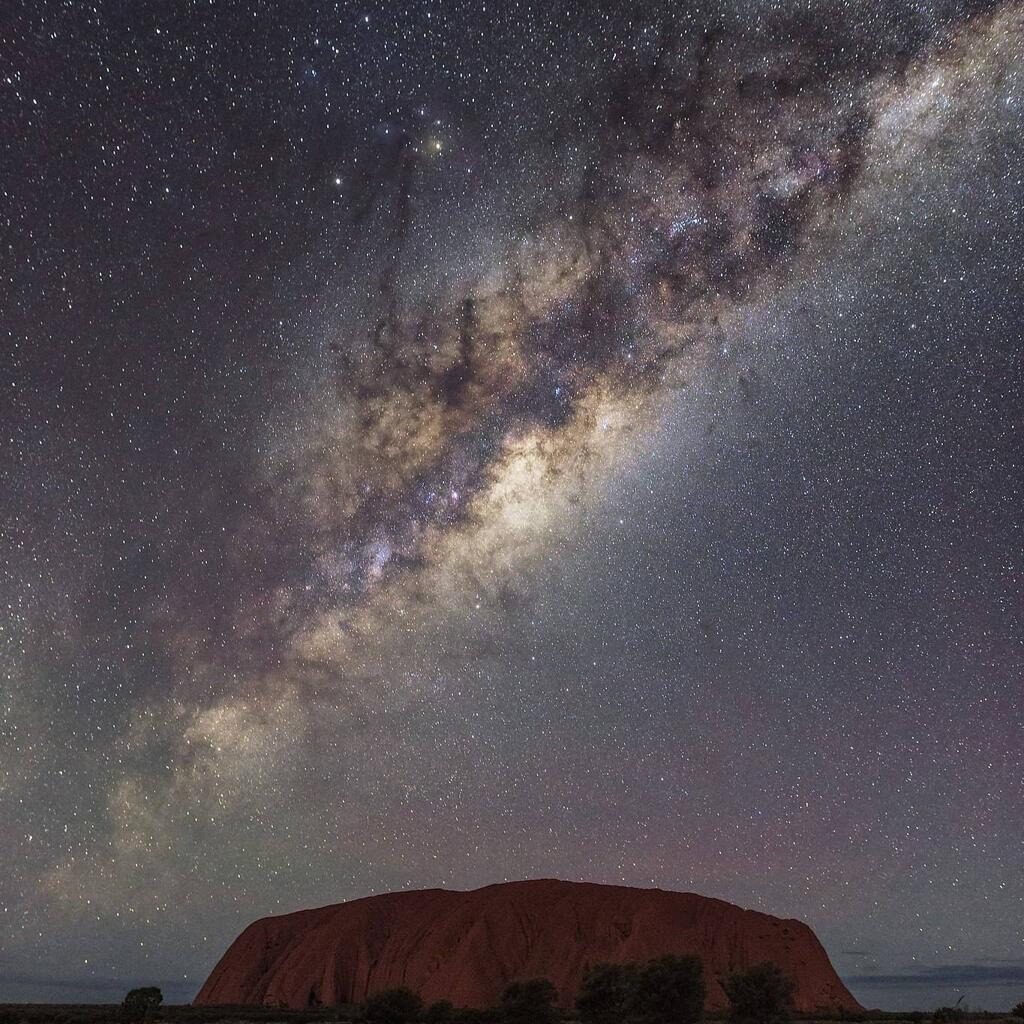
The rock itself changes colour through the day, most dramatically at sunrise and sunset, when it and the sky both shift into red and orange. Nearby, Kata Tjuta (the Olgas) has its own dramatic formations and walking trails, and together they form the core of Uluru-Kata Tjuta National Park.
This is also one of the best places in the country to learn about Aboriginal culture directly, through guided walks led by local communities — probably the most meaningful part of an Outback trip for most people. At night, with almost no light pollution,
the stargazing is hard to match anywhere else on this list, and the desert stretching out in every direction gives you a sense of scale that the coast just doesn’t.
Uluru strips things back: no crowds, no city noise, just space to slow down. If you’ve already done the standard Australia trip, or want something more reflective, this is it.
Best for: experienced travellers, nature lovers, photographers, culture seekers, adventure travellers.
FAQs
1.What’s the best place to visit in Australia for first-timers?
Sydney and Melbourne are the safest bets. Both are easy to get around, social, and give you a strong first impression before you head further afield.
2.What’s the best place for solo travellers?
Sydney, Melbourne, and Cairns all work well. Sydney and Melbourne are easy to navigate solo and full of hostels and walking tours where you’ll meet people; Cairns is better if you’d rather bond with other travellers over a reef trip.
3.Which destination suits couples best?
Depends what you’re after. Melbourne if you’re into food and culture, Sydney for a city-and-beach mix, the Gold Coast for sun and relaxation, Cairns for something more tropical and adventurous.
4.How many days do you need?
Australia’s too big to rush. Seven to ten days covering two nearby destinations — Sydney and Melbourne, or Cairns and the Gold Coast — gives you enough time to actually enjoy each place instead of racing through it.
5.When’s the best time to visit?
Depends where. Sydney and Melbourne are pleasant most of the year; the Outback and tropical north (Cairns, Uluru) have sharper dry and wet seasons. Plan around your specific stops rather than picking one month for the whole country.
Where to go from here
- Our complete Australia travel guide covers visas, transport, currency, and accommodation.
- Already picked your stops? Use our Australia travel itinerary to build a 7-, 10-, or 14-day plan.
- Still deciding when to go? The best time to visit Australia guide breaks the seasons down by region.
Whether it’s Sydney’s beaches, Melbourne’s laneways, the reef in Cairns, or Uluru’s red sand — there’s a version of this trip built for whichever kind of traveller you are.